FSMA 204 traceability,
free for every farm.
The FDA's new Food Traceability Rule takes effect July 20, 2028. GAP APP gives every farm lot tracking, harvest and shipping records, and the FDA sortable spreadsheet export — at no cost, with no card required.
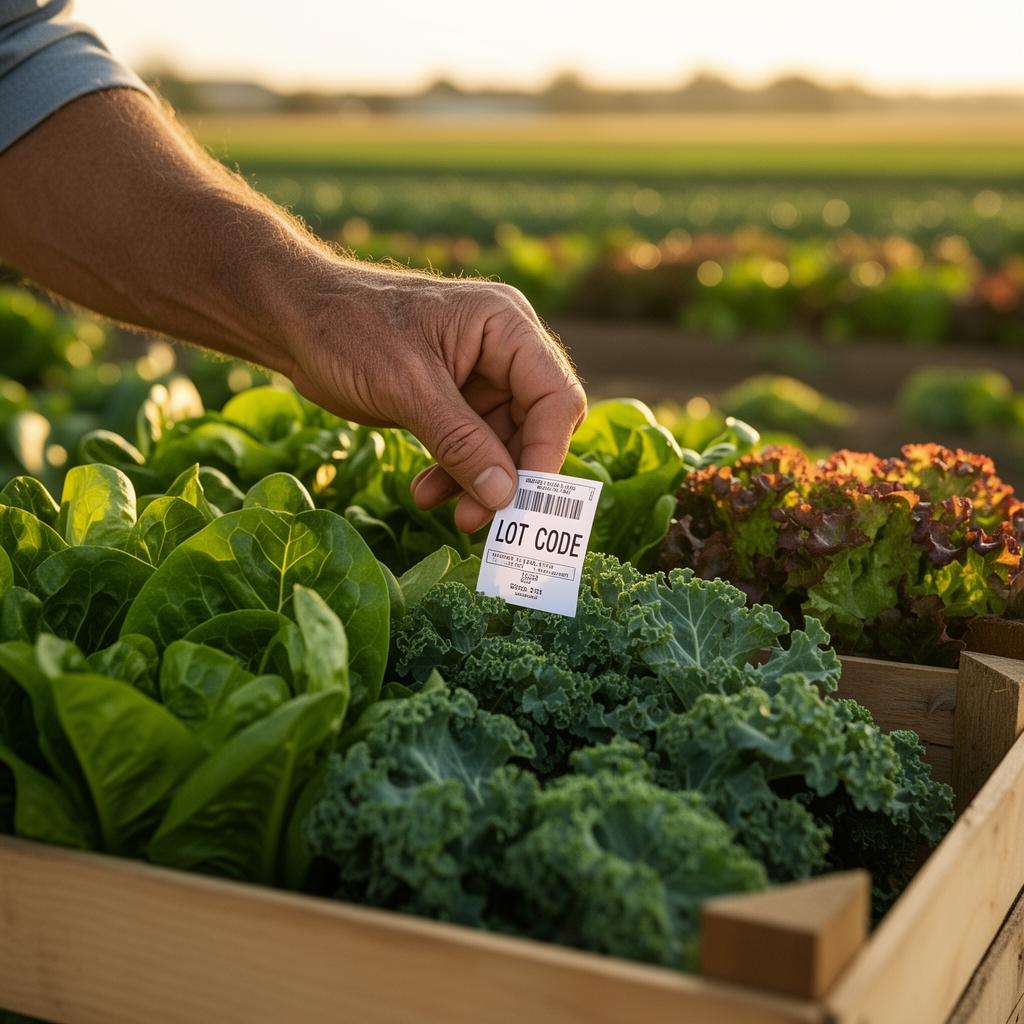
A new standard for knowing where your food has been.
FSMA 204 — Section 204 of the Food Safety Modernization Act — requires anyone who handles foods on the FDA's Food Traceability List (FTL) to keep specific records about where those foods came from, what was done to them, and where they went next.
The goal is faster, more accurate recalls when something goes wrong. The compliance date is July 20, 2028, and records must be producible to the FDA within 24 hours of a request.
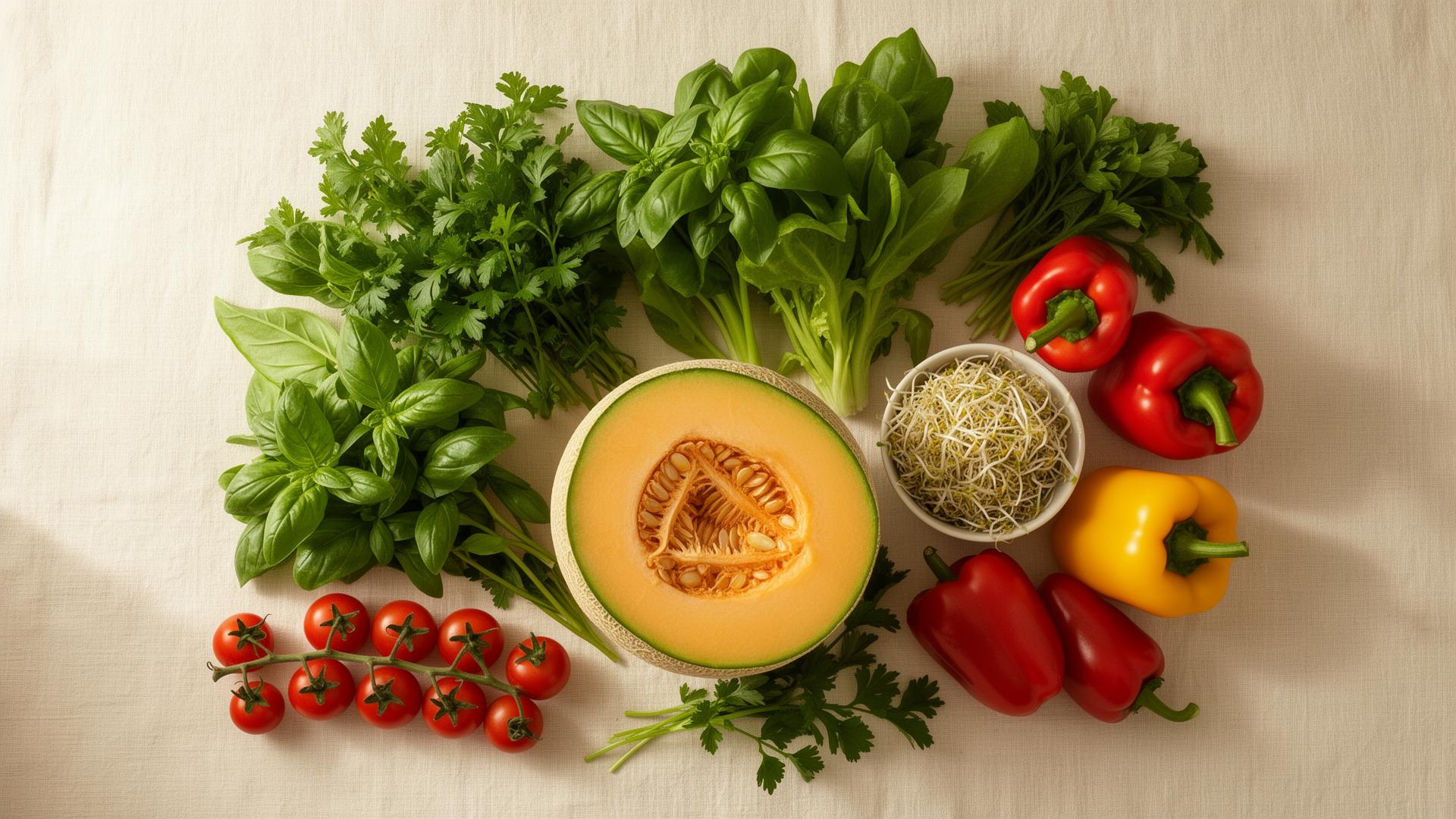
Foods on the FTL include:
- · Leafy greens (lettuce, spinach, arugula, kale)
- · Fresh herbs
- · Tomatoes, peppers, cucumbers
- · Melons (cantaloupe, honeydew, watermelon)
- · Tropical tree fruits
- · Sprouts
- · Shell eggs
- · Nut butters
- · Certain cheeses (soft, semi-soft, ripened)
- · Certain finfish, crustaceans, and mollusks
If you grow, pack, or handle any of these, FSMA 204 applies to you unless you qualify for a specific exemption.
Every record the rule asks for, built in.
You log harvests and shipments the way you already do. GAP APP captures the Key Data Elements behind the scenes and keeps them ready to export.
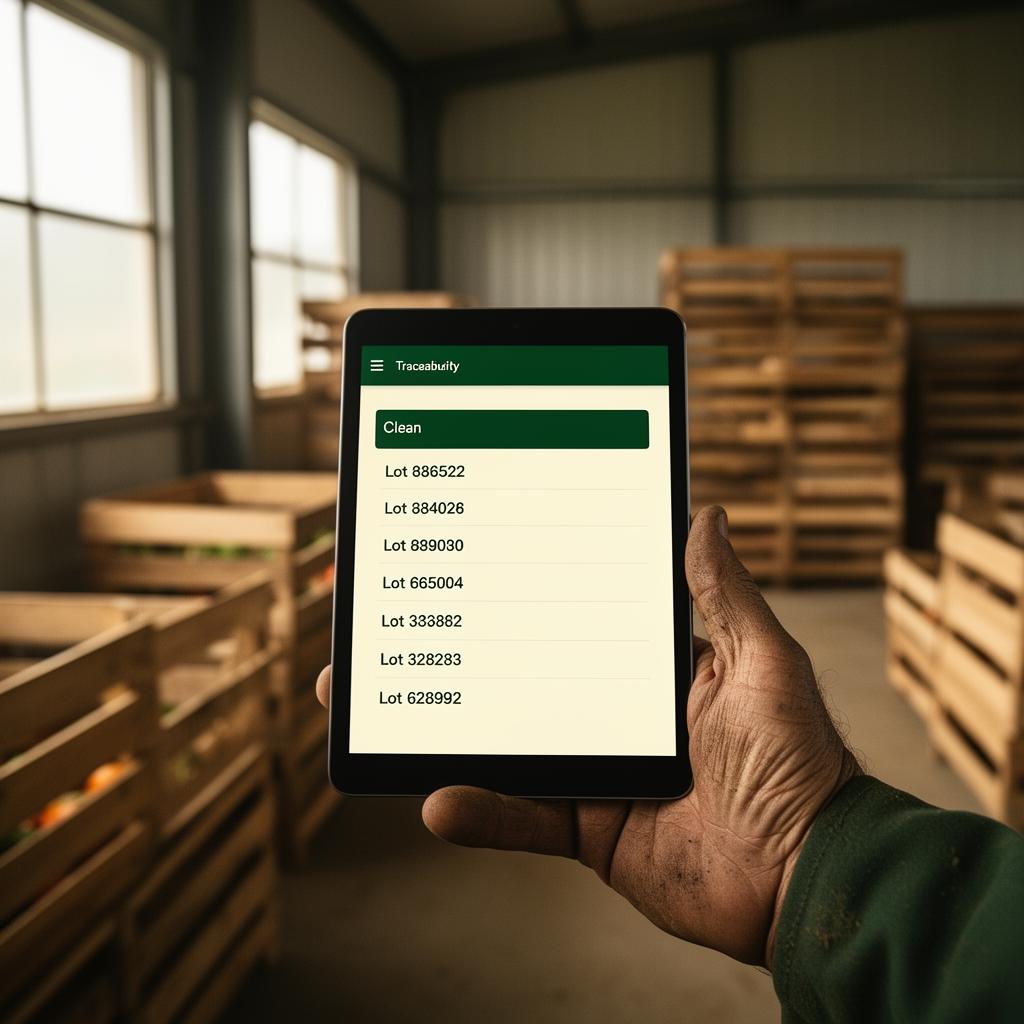
Lot codes & harvest logs
Generate unique traceability lot codes for every harvest. Capture date, field, crop, and worker — the Key Data Elements (KDEs) the FDA expects.
Receiving & shipping records
Log incoming inputs and outgoing shipments with the immediate previous source and immediate subsequent recipient required by the rule.
Transformation events
Track when lots are washed, packed, cut, or combined — the Critical Tracking Events (CTEs) that link your inputs to your outputs.
FDA sortable spreadsheet
Export every tracking event for any date range as a CSV or Excel file, with the Key Data Elements the FDA can ask for within 24 hours. Anything your records are missing is flagged, never filled in.
Mock recall drills (paid plans)
Timed one-up, one-down recall practice that shows exactly which buyers received which lots. FSMA 204 doesn't require drills; they're an optional extra on paid plans.
Free forever
No paywall on the records the law requires. Lot tracking, event records, and the FDA spreadsheet export are free for as many lots as you need — no card required.
Compliance shouldn't be a paywall.
FSMA 204 can apply to farms of every size, not just the ones that can afford $200-a-month traceability software. We built GAP APP so the records the law requires are free for everyone, forever. Paid plans add things you might want — timed mock recall drills, AI-generated SOPs, HACCP, mock audits, the full GAP audit binder — but the traceability floor (lot records and the FDA spreadsheet export) stays open.
FSMA 204, answered.
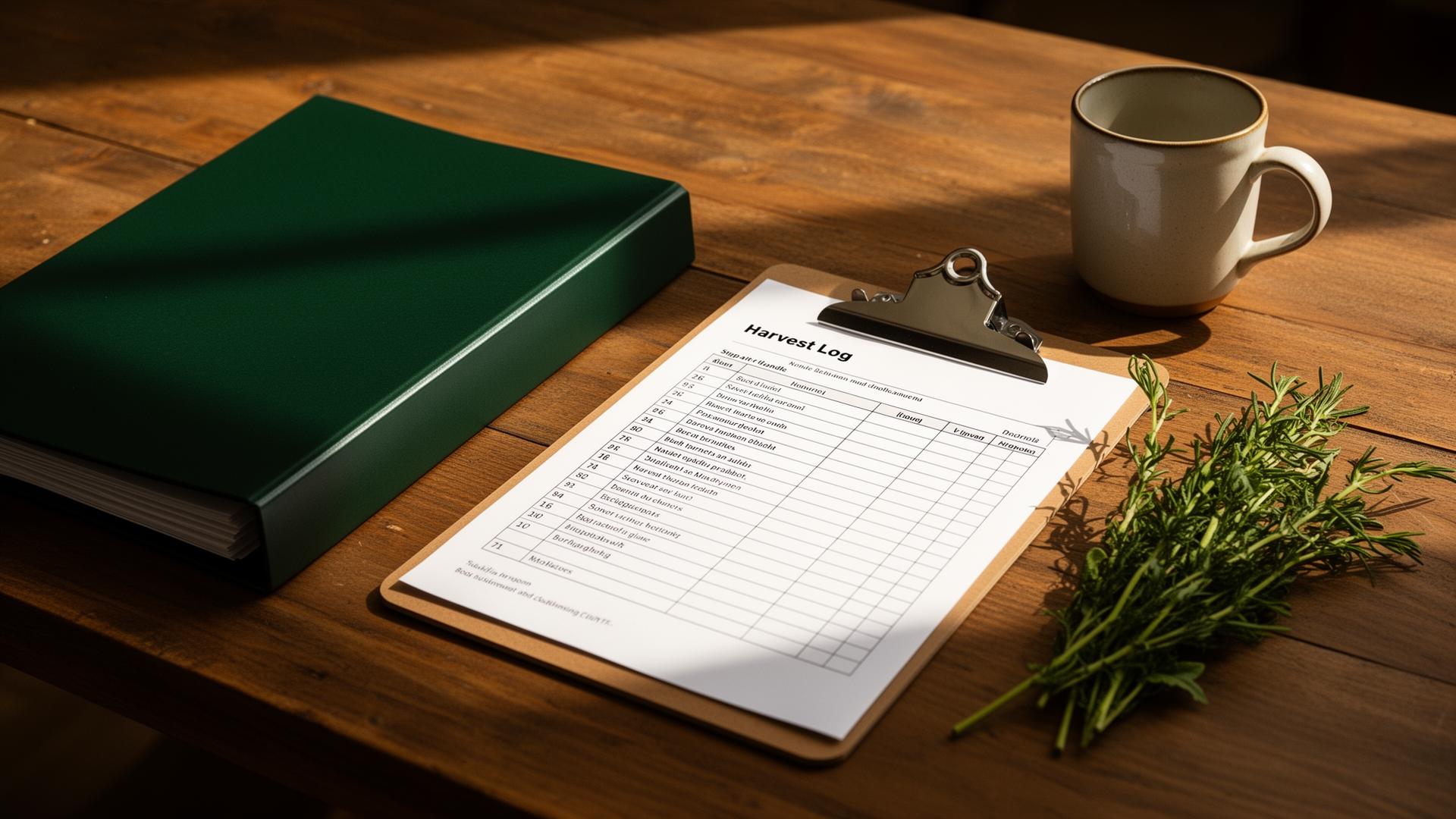
Where to capture each record
These two records ride on forms GAP APP already ships — no extra paperwork. Here's which form to open and the exact fields to fill every time.
Corrective action records
- Issue description — what was found, where, which lot or area
- Root cause — one line, the “why”
- Action taken — immediate fix + who did it
- Verification — re-check result (pass / fail)
- Signed off by + date closed
Verification & adjustment records
- What was verified — plan section, KDE, threshold, or equipment
- Method — spot-check, calibration, side-by-side comparison
- Result — pass, or variance found (with numbers)
- Adjustment made — system, SOP, or threshold change
- Reviewer + date
Each link drops you straight into the right log form with the correct type pre-selected.
Key Data Elements by event
Tap any Critical Tracking Event to see the exact Key Data Elements (KDEs) GAP APP captures — every field the FDA expects for that event.
HarvestingWhen you log a harvest
- Traceability lot code (auto-generated)
- Commodity and variety
- Growing area / field identifier
- Date of harvest
- Quantity harvested (units)
- Crew or worker performing the harvest
- Business name and location of the farm
Initial packing / coolingWhen produce is packed or cooled
- Traceability lot code
- Date and location of packing or cooling
- Quantity packed
- Container or pack style
- Reference to source harvest lot
Receiving (inputs)When inputs arrive at your farm
- Immediate previous source (supplier name, address)
- Traceability lot code received
- Date received and location
- Quantity received
- Reference document (PO, BOL, invoice)
TransformationWhen lots are washed, packed, cut, or combined
- New traceability lot code created
- All input lot codes consumed
- Date and location of transformation
- Description of the transformation
- Quantity produced
ShippingWhen a lot leaves the farm
- Traceability lot code
- Immediate subsequent recipient (buyer name, address)
- Date and location of shipment
- Quantity shipped
- Reference document (BOL, invoice, PO)
Based on FDA 21 CFR Part 1, Subpart S. GAP APP captures these fields automatically as part of normal logging — no separate "compliance form" to fill out.
Who has to comply with FSMA 204?
Anyone who manufactures, processes, packs, or holds foods on the FDA's Food Traceability List (FTL). That can include produce farms growing leafy greens, herbs, tomatoes, peppers, cucumbers, melons, tropical tree fruits, or sprouts. Several full and partial exemptions exist — for example for very small farms, food a farm sells directly to consumers, produce that is rarely consumed raw, and produce that gets a kill step later on (21 CFR 1.1305) — so check FDA's guidance for your specific situation.
When does the rule take effect?
The compliance date is July 20, 2028 — the FDA extended the original January 20, 2026 deadline by 30 months. Records must be in place and producible to the FDA within 24 hours of a request from that date forward.
What records do I actually need to keep?
Key Data Elements (KDEs) for each Critical Tracking Event (CTE) in your operation — typically growing, receiving, transforming, and shipping. That means lot codes, dates, quantities, sources, and recipients. GAP APP captures these as a normal part of harvest and shipping logging.
How long do I have to keep records?
FSMA 204 requires you to retain traceability records for at least two years from the date the record was created. GAP APP keeps your lot codes, harvest logs, shipping records, and Key Data Elements stored for the full retention period as long as your account is active — and lets you export your traceability records for any date range as CSV or Excel at any time, so you stay covered even if you change software.
How does GAP APP keep records producible within 24 hours?
The FDA can request your traceability records at any time, and you have 24 hours to deliver them in an electronic sortable spreadsheet. GAP APP records the Key Data Elements when you log a harvest, cooling, packing, receipt, transformation, or shipment, so less has to be reconstructed later. When a request comes in, Traceability → FDA Spreadsheet exports every event in the date range as a CSV or Excel file you can sort and filter by lot, date, crop, or recipient. Anything the rule asks for that isn't in your records — a reference document number, say, or your farm's phone number — is listed in a “Missing KDEs” column so you can add it before sending. Nothing is filled in for you.
Does GAP APP file anything with the FDA for me?
No. FSMA 204 doesn't require ongoing reporting — it requires that your records exist and can be produced on request. GAP APP keeps them organized so a request becomes a quick export, not a scramble.
Do I need a paid plan to use the traceability tools?
No. Lot tracking, harvest, receiving, shipping and transformation records, the per-lot traceability PDF, and the FDA sortable spreadsheet export (CSV or Excel) are all on the free plan. Paid plans add timed mock recall drills, AI-generated SOPs, HACCP, mock audits, and the full GAP audit binder.
Get ahead of the deadline.
Start tracking lots today. Be ready well before July 20, 2028 — and never pay for the records the law requires.
Start free →