GAP Certification.
Clearly Explained.
From choosing a program to receiving your certificate — we make the path clear.
What are Good Agricultural Practices?
Good Agricultural Practices (GAP) are guidelines that ensure fresh fruits and vegetables are produced, packed, handled, and stored safely. Certification proves to buyers that your farm follows recognized food safety standards.
USDA Harmonized GAP is the traditional USDA program. PrimusGFS is GFSI-recognized. GLOBALG.A.P. is the international standard.
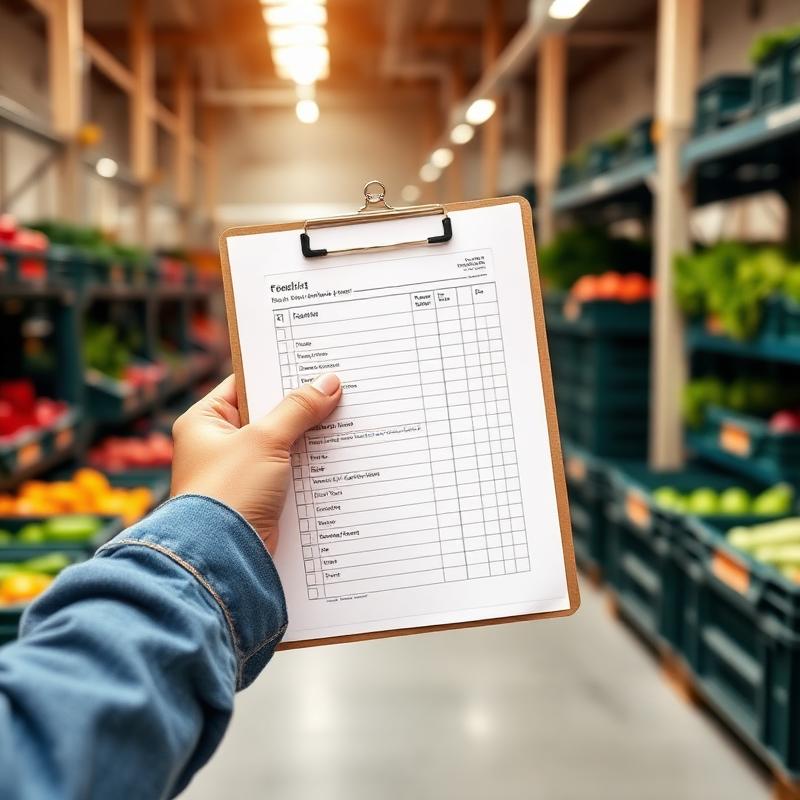
Why farmers pursue certification.
Market Access
Grocery chains, school programs, and distributors increasingly require GAP certification.
Consumer Trust
Certification signals your produce meets the highest food safety standards.
Regulatory Compliance
Stay ahead of federal and state regulations including FSMA.
Premium Pricing
Certified farms access markets that uncertified competitors cannot reach.
Who needs GAP certification?
If you grow fresh produce and sell to buyers that require third-party food safety audits — grocery retailers, food service distributors, schools, food hubs — you likely need GAP certification.
The full certification process.
Eight steps from "we should get GAP" to "certificate issued."
Confirm Which GAP Program Your Buyer Requires
Common programs include USDA Harmonized GAP, PrimusGFS, and GLOBALG.A.P. Your buyer or distributor typically specifies which standard they accept.
Requirements are set by the standard — not by state.
Choose Your Audit Scope
Define which parts of your operation will be audited: growing areas, harvest crews, wash/pack, cold storage, or distribution.
Build Your Food Safety System
Create SOPs for cleaning, handwashing, chemical storage, and traceability. Set up logs for water tests, cooler temps, training records, and corrective actions.
Run a Pre-Assessment
A mock audit or consultant review reduces surprises and prevents failed audits.
Optional but strongly recommended.
Apply and Schedule Your Audit
Submit your application through USDA AMS, an approved certification body, or a GLOBALG.A.P.-approved verification body.
Complete the On-Site Audit
The auditor reviews documents, interviews staff, walks the facility, and verifies your physical setup matches your procedures.
Address Nonconformities
Fix issues with corrective actions and provide evidence — photos, updated SOPs, logs.
Receive Your Certificate
Once corrective actions are reviewed, a certification decision is made. Most schemes are annual.
Where GAP APP fits in.
The certification body issues the certificate — our app makes you audit-ready faster.
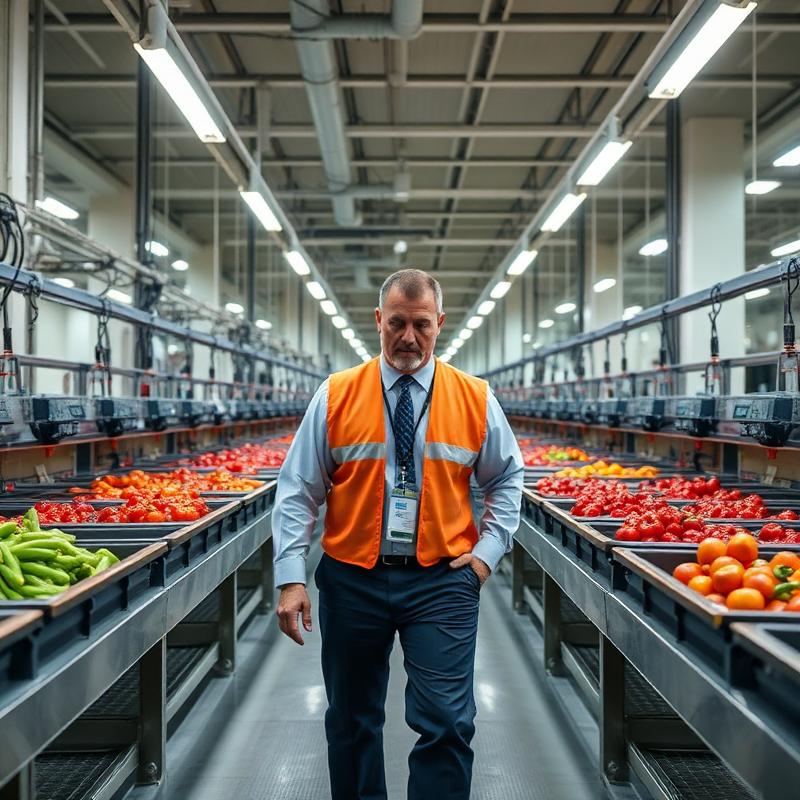
One system. Multiple programs.
GAP isn't one standard — it's a family of programs with overlapping requirements. Build one core compliance system with program-specific overlays.
USDA Harmonized GAP
The traditional USDA audit program. Most common for domestic produce growers.
PrimusGFS
GFSI-recognized and widely used across produce supply chains.
GLOBALG.A.P.
The international standard. Required for export markets.
GAP audit checklist.
Everything auditors look for — use this to self-assess before audit day.
- Property boundaries and adjacent land uses
- Water sources and irrigation lines
- Chemical and fertilizer storage locations
- Restroom and handwashing stations
- Packing area and cold storage
Auditors will walk your farm map against the physical layout.
- Agricultural water testing results on file
- Testing schedule meets GAP/FSMA frequency
- Corrective actions for failed tests documented
- Water treatment system records (if applicable)
- Post-harvest water monitoring logs
Water is the #1 area where farms fail GAP audits.
- Annual food safety training for all workers
- Signed training acknowledgement forms
- Handwashing SOP posted at stations
- Illness/injury reporting policy in place
- Visitor and contractor policy documented
Auditors will interview random workers on hygiene practices.
- Written cleaning schedules for all areas
- Chemical concentration and contact time records
- Equipment cleaning SOPs
- Restroom cleaning and supply logs
- Pest control service records and bait map
Expect auditors to check cleaning logs for the past 30 days.
- Harvest container inspection logs
- Pre-cooling temperature records
- Cold storage temperature monitoring
- Transportation vehicle inspection checklists
- Loading and shipping documentation
Cold chain documentation is critical for pack-house operations.
- Lot code system in place for all products
- At least one mock recall completed per year
- Mock recall achievable within 24 hours
- Forward and backward traceability records
- Supplier documentation on file
Auditors may initiate a surprise mock recall during the audit.
- All SOPs current and version-controlled
- Daily logs complete with no gaps
- Corrective action records with follow-up
- Training records accessible and organized
- Previous audit reports and responses on file
Missing or disorganized records are the most common audit finding.
Frequently asked questions.
Get audit-ready.
Build SOPs with AI guidance, track logs from your phone, run mock audits, and generate your audit binder.
GAP APP provides workflow guidance and documentation tools. Certification decisions are made solely by accredited third-party auditors. GAP APP is not affiliated with USDA, PrimusGFS, or GLOBALG.A.P.